Best overall
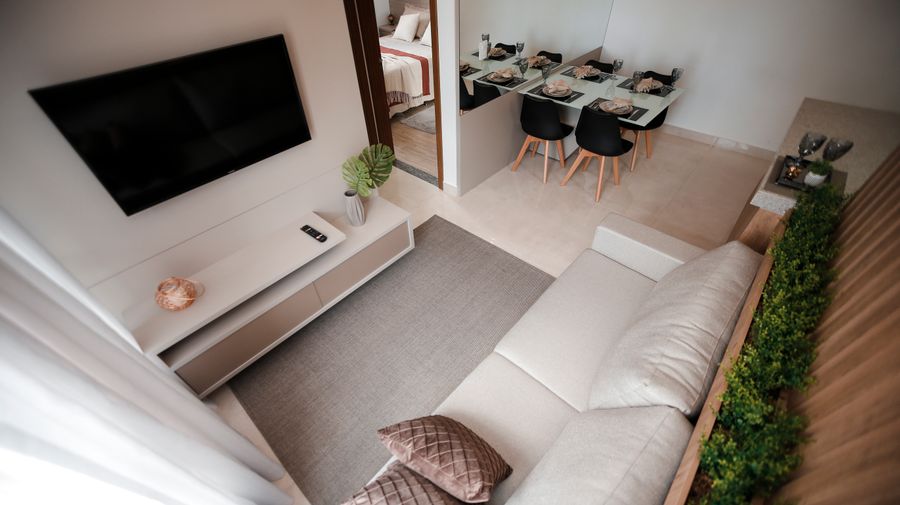
LG OLED evo G6
Flagship OLEDFlush mountBrightest OLED
LG's flagship OLED: the brightest panel in the OLED range and a design built to sit flat against the wall rather than on a stand.
LG's 2026 range runs from the flagship OLED evo G6 down to budget LED sets, and the names do not make the differences obvious; so here is what each tier actually buys you.

LG makes the OLED panels that go into a large share of the world's premium televisions, including some sold under other badges, and it uses them across three tiers of its own. Above those sit the new Micro RGB sets, and below them a Mini LED QNED range and a conventional LED line. Six names, and almost no help from the naming as to which one you want.
The short version: the OLED tiers differ far less in panel technology than in brightness hardware and processing, while the LCD ranges exist to solve problems OLED is bad at, mainly very bright rooms and very large screens at sane prices. This guide takes each tier in turn and says who it is for and who should ignore it.
Affiliate disclosure: Reviews Lounge earns a commission when you buy through links on this page, at no additional cost to you. Commissions never influence our rankings, scores or recommendations. Full disclosure.
Three sets cover the great majority of LG buyers, the flagship, the all-rounder, and the cheapest route into OLED.
LG's flagship OLED: the brightest panel in the OLED range and a design built to sit flat against the wall rather than on a stand.
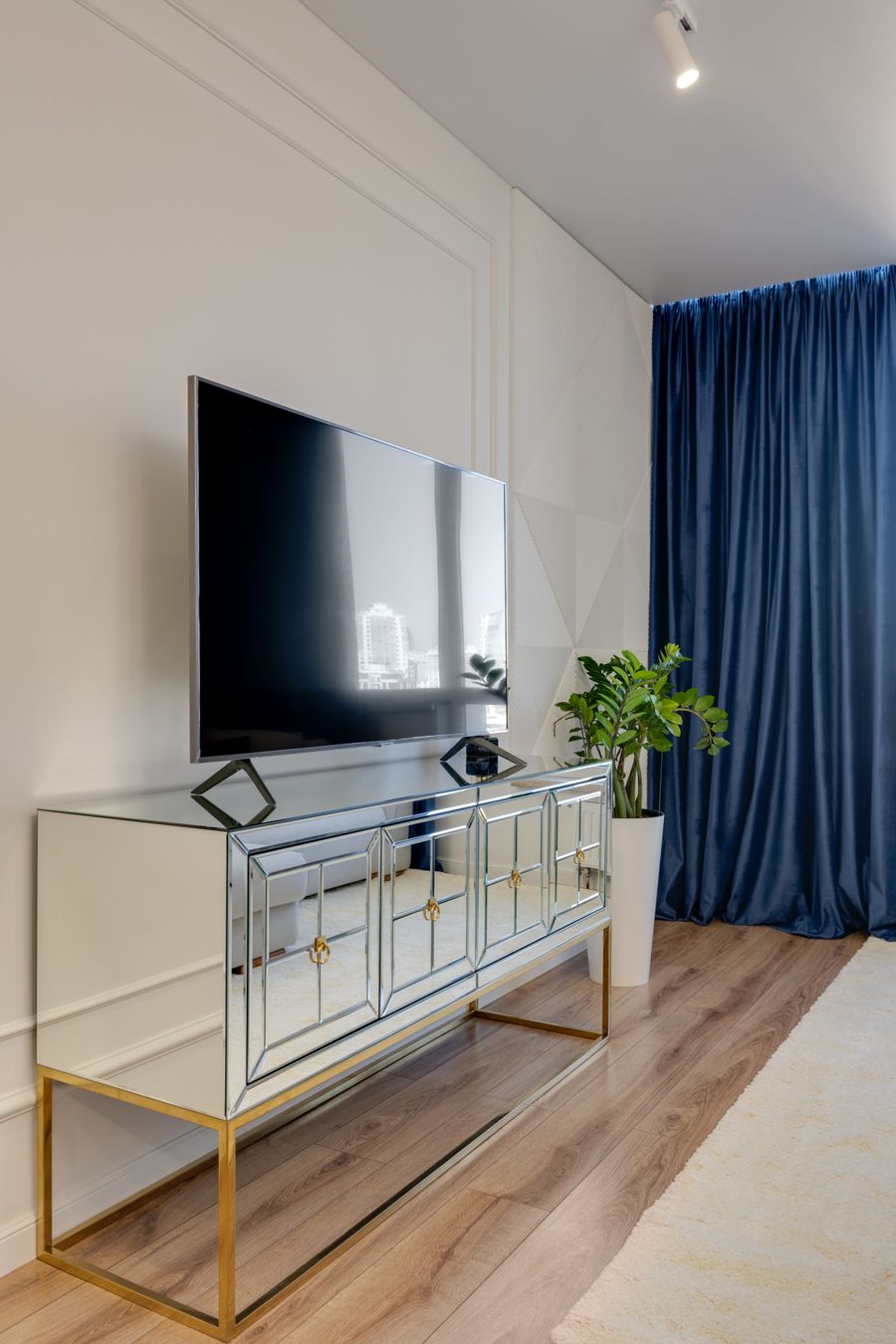
The same self-emissive panel technology as the flagship, in a set that ships with a stand and spans more sizes than any other OLED range. The default LG recommendation.
The cheapest way into real OLED. Lower peak brightness and a processing tier down on the C6, but exactly the same perfect blacks in a dark room.
Every option side by side, with the one thing that actually distinguishes it.
| Model | Best for | Panel type | Key strength | Watch out for | |
|---|---|---|---|---|---|
| 1LG OLED evo G6 | Bright rooms and wall mounts | OLED evo flagship | Brightest OLED with flush mounting | Price premium and varying stand options | View |
| 2LG OLED evo C6 | Most living rooms | OLED evo | Best balance of picture, size choice and price | Daylight glare and weak built-in sound | View |
| 3LG OLED B6 | Dark rooms on a budget | OLED entry tier | OLED contrast for the least money | Low peak brightness and limited sizes | View |
| 4LG Micro RGB | Very bright, large rooms | Micro RGB LCD | High brightness with accurate colour | Price and large-sizes-only availability | View |
| 5LG QNED86 | Bright rooms, big screens | QNED Mini LED | Brightness and size for the money | Grey blacks and blooming | View |
| 6LG NU80 | Bedrooms and kitchens | LED LCD | webOS and app support for the money | Flat contrast and poor HDR | View |
← swipe the table to see all columns →
LG's case rests on three things: the panels, the software and the gaming support.
LG Display supplies large-panel OLED to much of the industry, and LG Electronics gets first use of each new generation. In practice that means the newest panel improvements – brightness gains, better anti-reflection layers – tend to appear in an LG set before they appear anywhere else, and across more screen sizes.
LG has led on gaming features for several years: high refresh rates, variable refresh rate support, very low input lag and a dedicated game control panel, usually across all the HDMI ports rather than one or two. If you own a console or play on a PC, this is the most consistent reason to pick LG over a rival.
All the UK catch-up services, all the major streamers, Dolby Vision and Dolby Atmos support, and an interface that does not hide the app you want. LG also commits to several years of webOS updates on newer sets, which matters more than it sounds when a television lasts a decade.
Working out which LG tier you need takes three questions, in this order.
This decides OLED versus LCD before anything else. A room used mainly in the evening, or with curtains you actually close, is OLED territory and the C6 is the answer. A room with large windows and daytime viewing is better served by QNED Mini LED or Micro RGB, which trade perfect blacks for a great deal more brightness and better reflection handling. No amount of processing changes that arithmetic.
This is the clearest practical difference between the G-series and the C-series. The G6 is designed to sit flush against the wall and does not ship with a conventional pedestal in every size, while the C6 comes with a stand and is the easier set to drop onto a media unit. Decide the installation first, because it narrows the choice more reliably than any specification does.
Within OLED, the jump from B6 to C6 buys you brightness, a better processor and more sizes, and it is usually worth it. The jump from C6 to G6 buys mostly peak brightness and the flush mount, which is worth it in a bright room and not much elsewhere. If the budget will not stretch to OLED at the size you want, a larger QNED beats a smaller OLED for most households.
LG's letters are tiers and the number is the generation: G6, C6 and B6 are the 2026 OLEDs, flagship to entry. QNED is LG's Mini LED LCD range, with higher numbers meaning more features. Micro RGB sits above everything.
A suffix after the size, such as the regional letters at the end of a full model code, usually denotes the market and the stand colour rather than any difference in panel. Ignore it when comparing prices.
OLED pixels age with use, so a bright logo or ticker left in one place for thousands of hours can leave a faint mark. LG builds in pixel shifting and panel refresh routines that make this a non-issue for normal television and film watching.
If you use a television as a PC monitor all day, or leave a news channel on for hours with a static banner, the LCD ranges are the safer choice. For everyone else this is a theoretical risk rather than a practical one.
Ranked by how well each one delivers on what it promises — not by price.
The G-series is the OLED to buy when the room fights back – more brightness, better reflection handling, and a mount that disappears into the plaster.
The G6 sits at the top of LG's 2026 OLED range and its headline change over the previous generation is brightness. LG uses a newer panel design together with its brightness-boosting processing, and the result is an OLED that holds highlights and daytime viewing far better than the tier below while keeping the per-pixel black level that makes OLED worth buying. Reflection handling has also improved, which is the other half of the bright-room problem. LG also pairs the newer panel with its most capable processing tier, which matters most in dark scenes where cheaper sets crush shadow detail into black.
It is designed as a wall-mount television first. The slim profile and flush bracket mean it sits against the wall like a panel rather than leaning off it, and that design decision is as much a reason to buy it as the picture. If you intend to use a pedestal on a media unit, check what ships in the box for your size, because the G-series stand arrangement varies. Gaming support is as thorough as LG gets, and webOS carries everything a UK household needs. The one genuine wrinkle is that the very largest size in the range uses a different panel arrangement from its siblings, so it does not share the same brightness characteristics despite carrying the same name.
We may earn a commission from this link, at no extra cost to you.
Nearly all of the flagship's picture for noticeably less money, in more sizes, with a stand in the box.
The C-series is where LG puts the bulk of its engineering effort, and it shows. You get OLED evo with the per-pixel contrast and viewing angle that define the technology, strong processing, and a gaming feature set that still has no real equal on a television. In a normally lit living room, the picture difference against the G6 is small – mostly in very bright highlights – while the price difference is not. It is also the range LG supports most thoroughly, which means firmware fixes and webOS feature updates tend to arrive here first and keep arriving for several years after launch.
The other advantage is fit. The C6 spans a wider spread of sizes than any other OLED range, from compact enough for a bedroom or desk up to truly large, and it ships with a pedestal stand, so it drops onto a media unit without a wall job. The caveats apply to the whole OLED family: it is not the set for a conservatory, and the built-in speakers are thin, so plan on a soundbar. One practical note worth checking before you order: panel specification is not identical at every size in this range, so a review of the largest model does not necessarily describe the one you are buying.
We may earn a commission from this link, at no extra cost to you.
If your room is dark and your budget is not flexible, the B6 gives you the thing you actually came to OLED for.
The B-series is LG's entry OLED and its value proposition is straightforward: the same self-emissive panel principle, so the same per-pixel black level and the same wide viewing angle, for less money. In a dark room with the lights down, it does the one thing no LCD at any price can do, and it does it at a price that overlaps with mid-range LCD sets. It remains a well-built set with the same webOS platform and the same UK app coverage as the tiers above, so nothing about the software experience is cut back.
The savings come from brightness and processing. Peak output is well below the C6 and much further below the G6, so bright HDR highlights have less impact and daytime viewing is more of a struggle. The processor is a tier down, which shows mainly in upscaling and motion on difficult sources. Sizes are more limited too. None of that matters much for evening film watching; all of it matters in a bright room. Judge it on the right comparison: against a mid-range LCD at the same price in a dark room it wins comfortably, and against the C6 in a bright room it loses just as clearly.
We may earn a commission from this link, at no extra cost to you.

The answer to the one question OLED cannot answer, what do you put in a room with four windows and no curtains?
Micro RGB replaces the white LEDs in a conventional Mini LED backlight with individually controlled red, green and blue emitters. The point is colour: a standard Mini LED set makes white light and filters it, which costs both efficiency and accuracy at high brightness, whereas generating the primaries directly lets the set stay accurate when it is working hard. Paired with a very bright backlight, that makes it the most capable LG set for a room full of daylight. LG positions it above the whole OLED range rather than alongside it, which tells you where the pricing sits and who the intended buyer is.
It is a flagship technology launched at flagship prices and at large screen sizes only, so it is a specialist purchase rather than a mainstream one. It is also still an LCD: dark scenes will not match an OLED for black level, and viewing angles are narrower. Buy it if you have a truly bright room, want a very large screen and want colour accuracy rather than just brightness. As a first-generation technology it is also worth waiting for independent measurements rather than taking the launch claims at face value, particularly on how well the backlight controls blooming in dark scenes.
We may earn a commission from this link, at no extra cost to you.
The pragmatic LG: more inches and more brightness per pound than any OLED, and in the wrong room that beats better blacks.
QNED is LG's quantum-dot LCD family, and for 2026 the range uses Mini LED backlighting throughout rather than only at the top. The 86 tier sits in the upper half of that range, which buys you more dimming zones and a better feature set than the entry models. The result is a bright, colourful picture that handles a sunlit room comfortably and costs far less than OLED at the same size. The number in the name indicates where it sits in the QNED range, with the lower-numbered models using fewer dimming zones and a less complete feature set.
It is also the practical answer to wanting a very large screen without flagship money. The compromises are the familiar LCD ones: blacks are grey rather than black in a dark room, bright objects on dark backgrounds show some haloing, and contrast falls off if you sit well off-centre. If your viewing is daytime television, sport and family films in a bright room, those are the right compromises to make. It also runs the same webOS platform as the OLEDs, so you lose nothing on apps, catch-up services or the interface by choosing the cheaper panel technology.
We may earn a commission from this link, at no extra cost to you.

Buy it for webOS, the app support and a brand that updates its software; not for the panel.
The NU80 is a straightforward LED LCD without Mini LED backlighting or quantum dots, and it exists to put a 4K LG screen into a secondary room at the lowest price LG offers. Its real argument is the software: you get the same webOS platform with every UK catch-up service and the main streamers, on a set that will keep getting app support, which is more than can be said for many cheap televisions. LG's conventional LED sets are also the safest choice if a television will spend hours showing a static image, because there is no risk of uneven pixel ageing.
Expect the picture to be modest. Without a zoned backlight, dark scenes look flat and grey, HDR content has nowhere near the brightness to show what it is doing, and motion on fast sport will break up. Viewing angles are narrow. For a bedroom, a kitchen or a room where the television is mostly background, none of that is disqualifying – but do not put one in your main room and expect to be happy. Set expectations by the room: in a small bedroom watched from a metre or two away in the evening, the shortcomings are far less obvious than they would be across a living room.
We may earn a commission from this link, at no extra cost to you.
We assess products on construction and claims we can verify — not on which brand pays most.
We test marketing claims against the actual published construction and specification, rather than taking a product name at face value.
Every product in a guide is judged against its siblings, so the ranking reflects what you actually choose between.
Independent certification, materials and build quality all feed into the score, not just headline features.
A score means nothing without context, so every pick states who it suits: and who should skip it.
We weigh what's included and what isn't, because delivery, fees and accessories change the real price.
Brands cannot buy a position. Affiliate commissions fund the site but never determine the order or the wording.
Mostly brightness and installation. The G-series uses additional brightness hardware and processing to push a noticeably higher peak output, which matters in a bright room and in very bright HDR highlights. It is also built as a flush wall-mount design rather than a pedestal set.
In a dimly lit room watching films, the two look far closer than the price gap suggests. Buy the G6 for a bright room or a wall mount, and the C6 otherwise.
The B6 is a real OLED and gives you the per-pixel black level that is the whole point of the technology. What it gives up is peak brightness, a tier of processing and some of the size options.
If you can stretch, the C6 is the better long-term buy. If you cannot, a B6 still beats any LCD at the same price in a dark room.
QNED is LG's branding for its quantum-dot LCD sets, and for 2026 the range uses Mini LED backlighting throughout. That means a backlight divided into many dimmable zones, which gets you far more brightness than OLED and reasonable contrast, but not true black.
It is the better choice for sunlit rooms and for very large screens on a tighter budget. It is the worse choice for dark-room film watching.
It is LG's newest and most expensive display technology, which uses individually controlled red, green and blue Mini LEDs in the backlight rather than white LEDs with a filter. The aim is very high brightness with much better colour accuracy than a conventional Mini LED set.
It launches at large sizes and flagship prices, so it is a specialist buy rather than a mainstream one.
LG has committed to multiple years of webOS platform upgrades on recent sets, which is unusual in the television industry and useful: it means the interface and app support move forward rather than freezing on the day you buy.
Check the specific commitment for the model and year you are buying, because it has varied by range.
Start with how bright your room is, then decide between a wall mount and a stand, and only then worry about tiers. For most people that process ends at the OLED evo C6, and there is nothing wrong with stopping there.
See LG TVs LG refreshes its ranges each spring; model names and sizes vary by market, so confirm the exact code before ordering.
From the best-selling Classic to the adjustable Solaire and the pain-focused Rx, we compared every mattress in Saatva's lineup and matched each one to a sleep style, body type and budget.
Six thousand pieces or six hundred – we went through LEGO's current 18+ range and picked the sets worth the shelf space, the build time and the money.

Samsung's 2026 range runs from a 165Hz QD-OLED flagship to a Micro RGB LCD and an art panel that hides in plain sight. Here's which one belongs in your room.