Best overall & best first pair
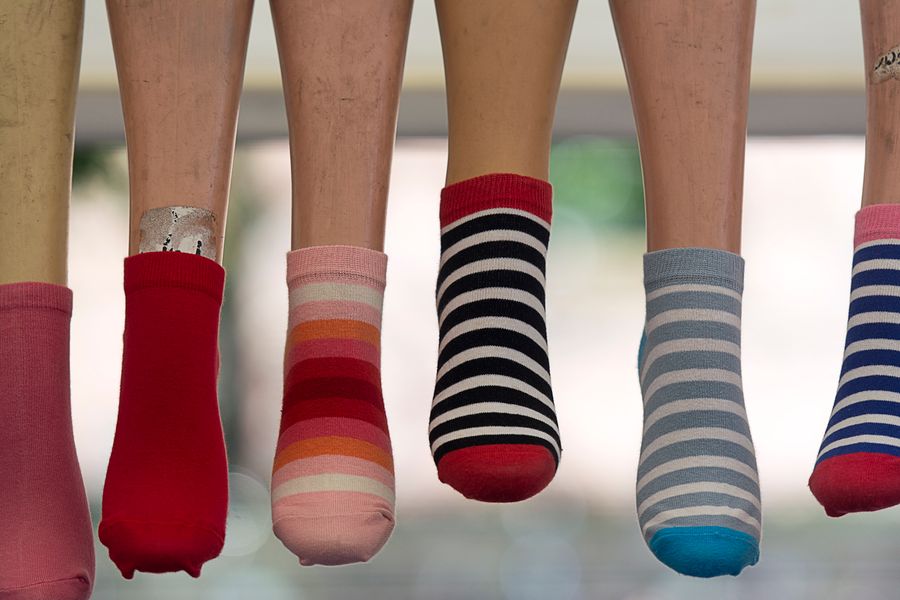
iQUSHION flip-flops
iQUSHIONToe-postSummer
The range most people meet the brand through. Cushioning you feel immediately, in a shoe light enough to live in a bag all summer.
FitFlop builds cushioning and arch support into shoes that do not look orthopaedic. We went through the range by style to work out which kind suits which feet, and which to skip.

Comfort footwear used to mean choosing between feet that did not hurt and shoes you were happy to be seen in. FitFlop built its business on refusing that trade, putting engineered midsoles into styles that look like ordinary sandals and trainers.
The range is now wide enough that the brand name alone tells you very little. A flip-flop and an ankle boot share a design philosophy but solve completely different problems, so the useful question is which style fits how you actually spend your days.

Affiliate disclosure: Reviews Lounge earns a commission when you buy through links on this page, at no additional cost to you. Commissions never influence our rankings, scores or recommendations. Full disclosure.
Three styles that between them cover summer, all-day walking and cold weather.
The range most people meet the brand through. Cushioning you feel immediately, in a shoe light enough to live in a bag all summer.
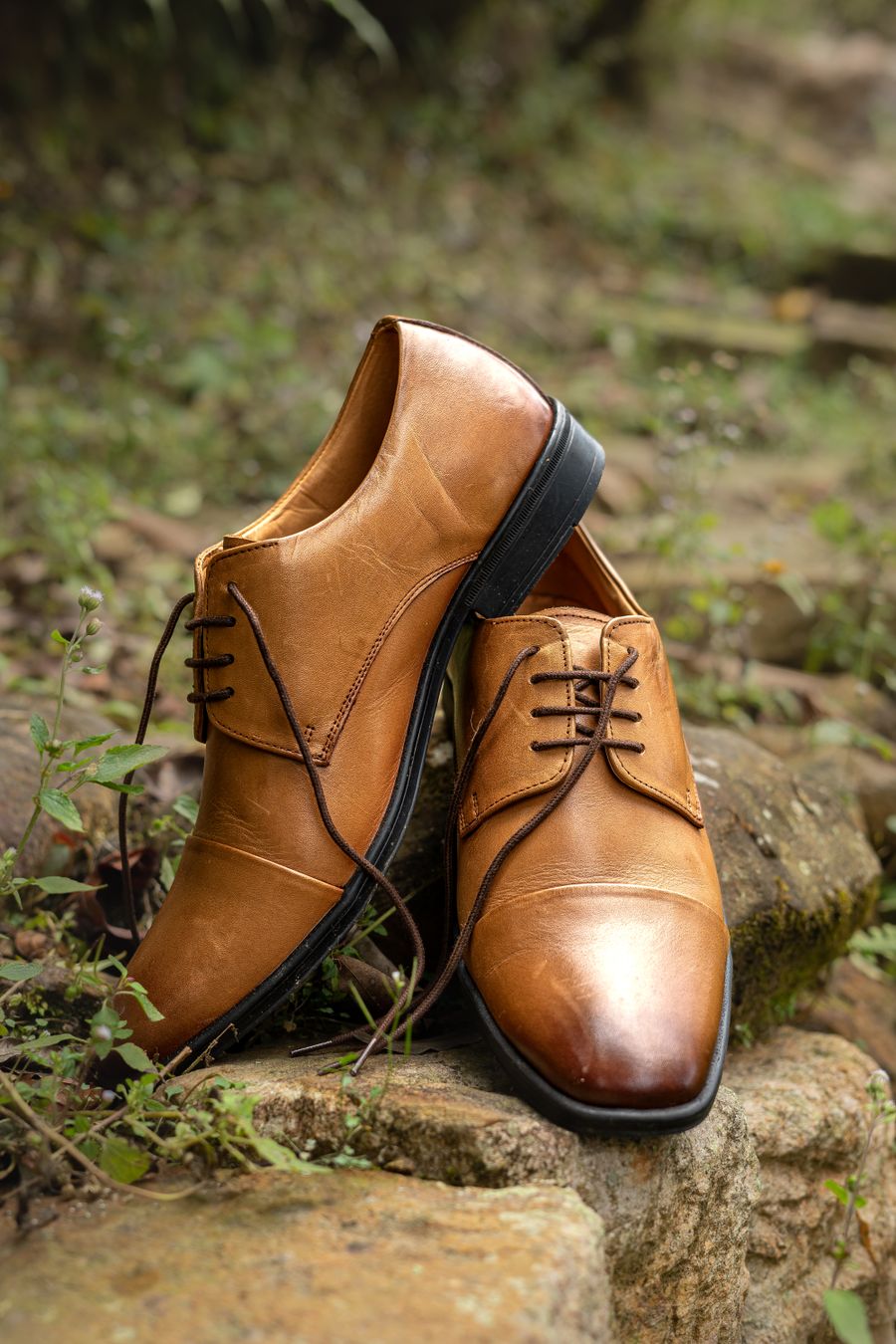
The same cushioned footbed with a single strap across the foot, for anyone who dislikes a toe post.
The style to buy for a day of real walking in warm weather – the heel is held, so your feet are not working to keep the shoe on.
Every option side by side, with the one thing that actually distinguishes it.
| Style | Best for | Type | Key strength | Watch out for | |
|---|---|---|---|---|---|
| 1iQUSHION flip-flops | Summer and first-time buyers | Toe-post flip-flop | Instant cushioning, low price | No heel support | View |
| 2Cushioned slides | Poolside and indoors | Slide sandal | Easiest on and off | Least secure fit | View |
| 3Closed-toe sandals | Full days on your feet | Closed sandal | Heel retention | Warm weather only | View |
| 4Cushioned trainers | Commuting and work | Lace-up trainer | Year-round wear | Not a running shoe | View |
| 5Ankle boots | Autumn and winter | Ankle boot | Cushioning plus coverage | Heavy; seasonal | View |
| 6Clogs & mules | Standing indoors | Clog / mule | Easy slip-on, covered toe | Open heel; not for walking | View |
← swipe the table to see all columns →
Two things actually distinguish the brand, and one caveat is worth stating up front.
The midsoles are the product. Unlike shoes that need breaking in, the difference is obvious on the first wear — which also means you will know quickly whether a pair suits you, well inside any returns window.
A number of FitFlop styles carry the American Podiatric Medical Association's Seal of Acceptance, an independent review of whether a product is good for foot health. It is a meaningful signal, though it applies to specific styles rather than the whole range.
The engineering is hidden inside ordinary-looking sandals, trainers and boots. For most buyers that is the actual reason to choose these over obviously orthopaedic alternatives.
Three questions will narrow the range quickly.
Hard floors and pavements are what this footwear is for. If you spend the day on tile, concrete or city streets, the cushioning earns its price. If you are mostly on carpet at home or sitting down, you will notice far less benefit and the premium is harder to justify.
An open flip-flop is ideal for short trips and warm weather but gives the foot nothing to brace against. For a full day of walking, a style that holds the heel; a closed sandal, a trainer or a boot, will leave your feet in much better shape, because your toes are not gripping to keep the shoe on.
Toe-post styles rule out socks, which in the UK limits them to a few months. Closed styles, trainers and boots extend the same cushioning across the year. If you are only buying one pair, a closed style is the more useful purchase.
Cushioned footwear fits differently from flat shoes, because the footbed is contoured rather than level. If you are between sizes, most people do better sizing up in closed styles and staying true to size in toe-post styles, where a loose fit means the shoe slides.
Check the brand's own size guide for the specific style rather than assuming your usual number carries across, and buy somewhere with a returns policy you are happy with — these are shoes you can judge within an hour of wearing.
Midsole cushioning compresses with use. That is normal and gradual rather than a fault, but it does mean a heavily worn pair stops doing the job it was bought for — if your old pair no longer feels like it did, that is the signal to replace rather than a reason to doubt the brand.
Keep them out of direct heat. Leaving cushioned shoes on a radiator or in a hot car is the fastest way to deform a midsole and ruin a pair that would otherwise have lasted seasons.
Ranked by how well each one delivers on what it promises: not by price.
The cheapest way to find out whether this brand suits your feet, and the answer arrives within about ten minutes of putting them on.
iQUSHION is FitFlop's best-known range and the one the brand leads with. These are flip-flops built around a cushioned, contoured footbed, and the difference against a flat rubber flip-flop is obvious on the first wear rather than something you have to be told about. For holidays, poolsides, garden and short town trips they are hard to fault.
They are still flip-flops, with the limitations that implies. There is nothing holding your heel, so your toes do a quiet amount of gripping to keep them on – which is fine for twenty minutes and tiring over a full day of walking. Treat them as excellent warm-weather shoes rather than all-day walking shoes and they are an easy recommendation.
We may earn a commission from this link, at no extra cost to you.
Everything the flip-flop does, minus the bit between your toes that some people simply cannot get on with.
A toe post is uncomfortable for some people, and a slide solves that without giving up the cushioned footbed. A single band across the forefoot makes these the easiest style here to get on and off, which is exactly what you want for a poolside, a garden, or wearing around the house.
The trade is stability. A slide holds the foot in one place only, so it is even less suited to distance walking than a flip-flop, and it will come off if you move quickly. Buy these as comfortable convenience shoes, not as something to explore a city in.
We may earn a commission from this link, at no extra cost to you.
Holding the heel is what turns a comfortable sandal into one you can walk all day in.
This is the most useful warm-weather style in the range and the one we would choose for a city break. Because the heel is held rather than simply rested on, your toes are not gripping to keep the shoe attached, and that single difference is what makes a sandal viable for a full day on your feet.
They cost more than a flip-flop and take a moment longer to put on, which is the entire downside. If you are buying one pair of warm-weather shoes and expect to walk in them, buy this style rather than the toe-post one, it is the difference between shoes that are comfortable standing still and shoes that are comfortable at the end of the day.
We may earn a commission from this link, at no extra cost to you.
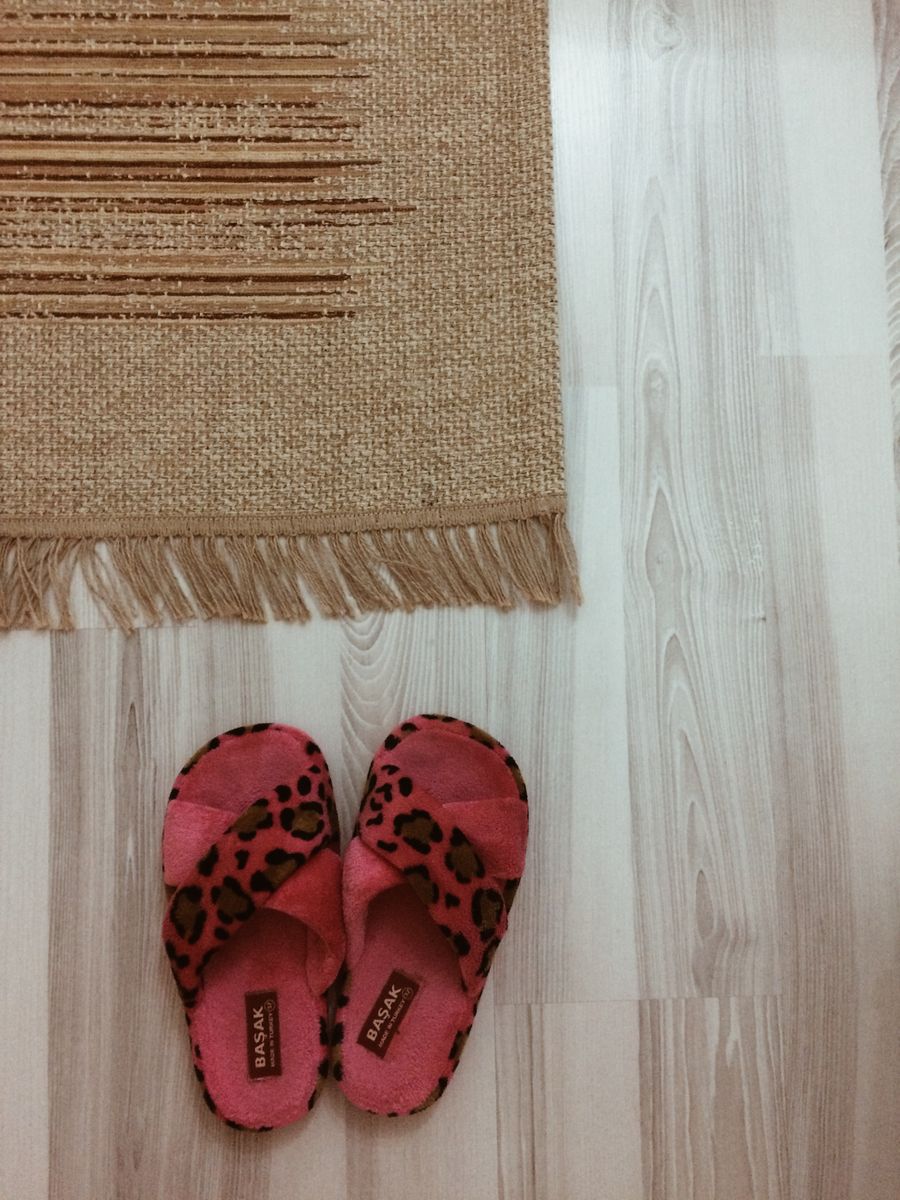
The most practical thing the brand makes in a British climate, simply because you can wear it in November.
A trainer takes everything the brand does well and makes it wearable year-round. Laces mean the fit can be adjusted properly, socks are an option, and the closed upper deals with British weather in a way no sandal can. For commuting, standing all day at work, or travelling, this is the most practical style in the range.
They are comfort trainers rather than running shoes, and that distinction matters. The cushioning is tuned for standing and walking, not for the repeated impact of running, so buy them to be on your feet in, not to train in.
We may earn a commission from this link, at no extra cost to you.
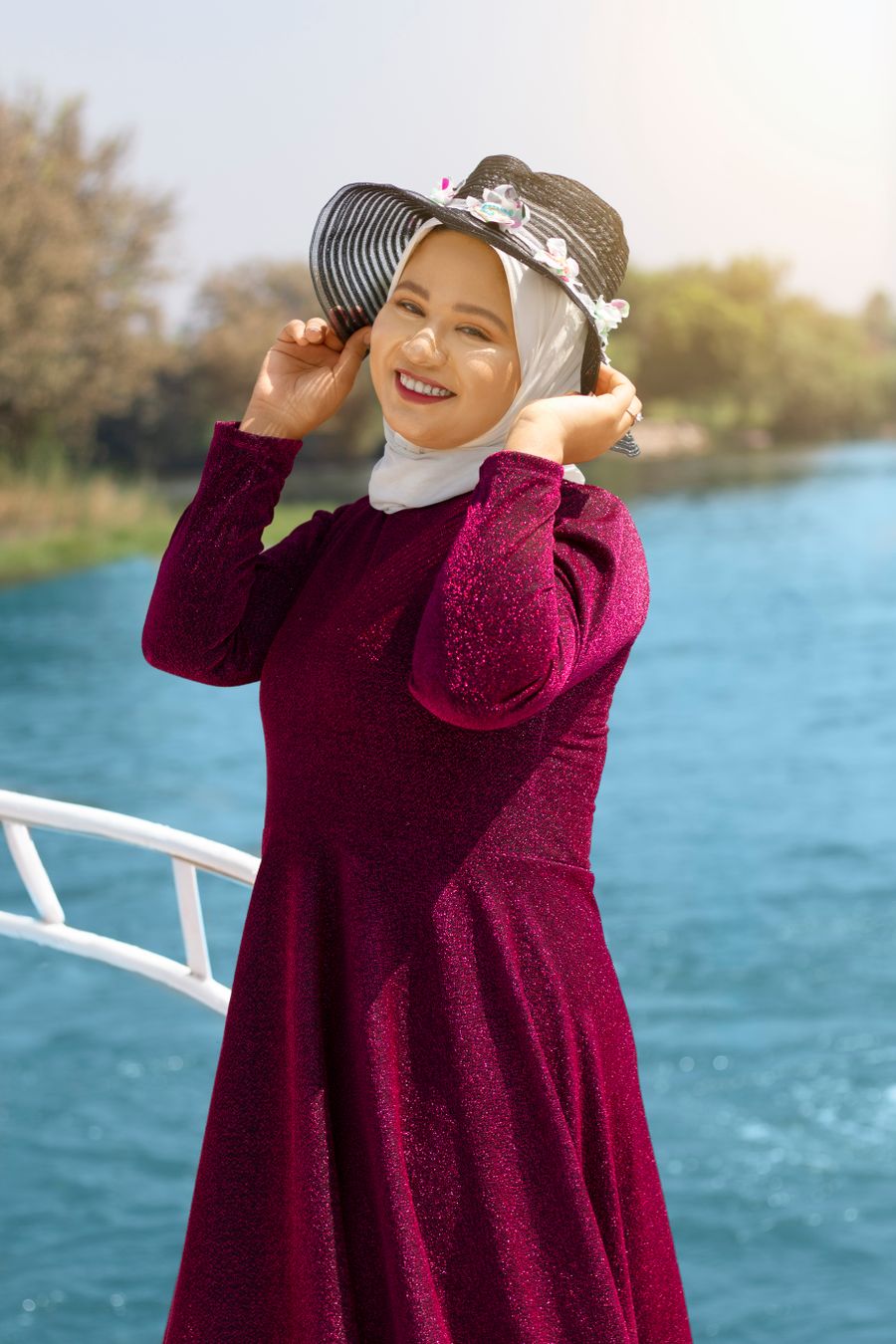
The style that extends the brand's one real advantage into the half of the year when sandals are useless.
Boots carry the cushioned-midsole idea into the colder months, which in Britain is most of them. Holding the ankle adds stability on uneven or wet ground, and a closed, higher upper keeps the weather out, so this is the winter counterpart to the closed sandal.
They are the heaviest and usually the most expensive style here, and that is the plain trade for warmth and coverage. If you already have a trainer from the range, a boot is a seasonal addition rather than a necessity, but if you spend winter on your feet outdoors, it is the right one to own.
We may earn a commission from this link, at no extra cost to you.
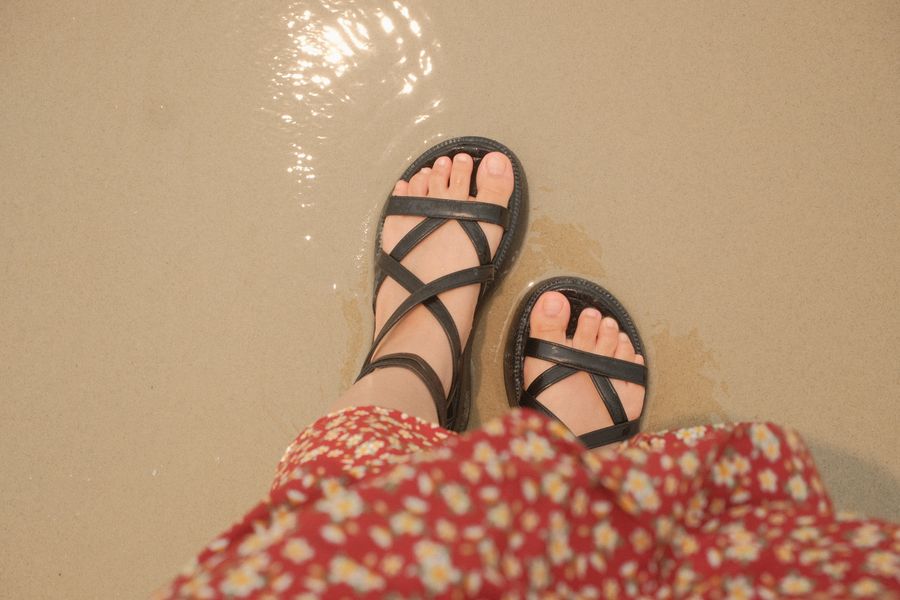
The shoe for people who are on their feet all day somewhere warm and dry, and who take them off repeatedly.
Clogs and mules split the difference between a sandal and a shoe: the toes are covered, the heel is open, and they go on without using your hands. For anyone who is on their feet indoors all day – at home, in a kitchen, in a workplace with hard floors, that combination is practical.
The open heel is the limitation. There is nothing securing the back of the foot, so these are not walking shoes and they can slip off at pace. Think of them as comfortable standing shoes rather than going-out shoes and they do their job well.
We may earn a commission from this link, at no extra cost to you.
We assess products on construction and claims we can verify, not on which brand pays most.
We test marketing claims against the actual published construction and specification, rather than taking a product name at face value.
Every product in a guide is judged against its siblings, so the ranking reflects what you actually choose between.
Independent certification, materials and build quality all feed into the score, not just headline features.
A score means nothing without context, so every pick states who it suits – and who should skip it.
We weigh what's included and what isn't, because delivery, fees and accessories change the real price.
Brands cannot buy a position. Affiliate commissions fund the site but never determine the order or the wording.
A number of FitFlop styles carry the American Podiatric Medical Association's Seal of Acceptance, which is an independent assessment that a product is beneficial to foot health. That is a genuine signal and more than most comfort brands can claim.
It is worth being precise, though: the Seal applies to specific styles rather than everything the brand makes, and it is not the same as a medical device or a prescribed orthotic. If you are managing a diagnosed foot condition, speak to a podiatrist about what you need rather than relying on a comfort brand.
Flip-flops from the iQUSHION range are the usual entry point. They are the cheapest way to find out whether the cushioning suits your feet, and the effect is obvious immediately rather than after a break-in period.
If you want one pair to cover more of the year, buy a closed style instead — it works with socks, holds your heel for longer walks, and is far more useful outside summer.
Many people with arch and heel pain find supportive, cushioned footwear more comfortable than flat shoes, and that is the general principle these are built on. Several styles being APMA-accepted is a reasonable indicator.
But this is comfort footwear, not treatment. If you have persistent heel or arch pain, see a GP or podiatrist – the right answer may be a specific orthotic, an exercise programme, or something else entirely, and a shoe purchase should not delay that.
Midsole foam compresses gradually with wear, and how fast depends on your weight, how far you walk and what you walk on. A pair worn daily on pavements will soften noticeably sooner than one worn occasionally.
The practical test is simple: if a pair no longer feels different from ordinary shoes, the midsole has done its work and it is time to replace them.
No — a toe post sits between the first and second toe, which rules socks out. In the UK that limits toe-post styles to warm weather and indoor use for a good part of the year.
If you want the same cushioning across the seasons, choose a closed sandal, a trainer or a boot from the range instead.
If you are new to the brand, a pair of iQUSHION flip-flops is the cheapest way to find out whether the cushioning suits you. If you want one pair that works year-round, buy a closed style instead.
Browse current FitFlop styles Styles and availability change by season and region · Check the size guide and returns policy before buying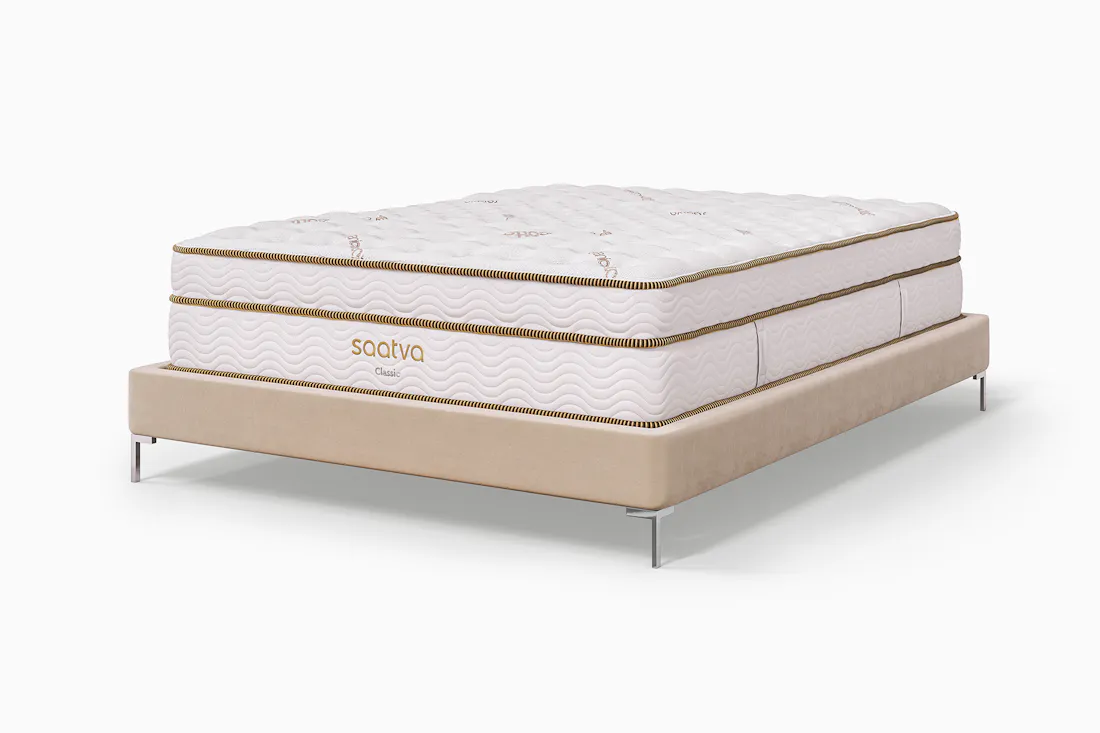
From the best-selling Classic to the adjustable Solaire and the pain-focused Rx, we compared every mattress in Saatva's lineup and matched each one to a sleep style, body type and budget.
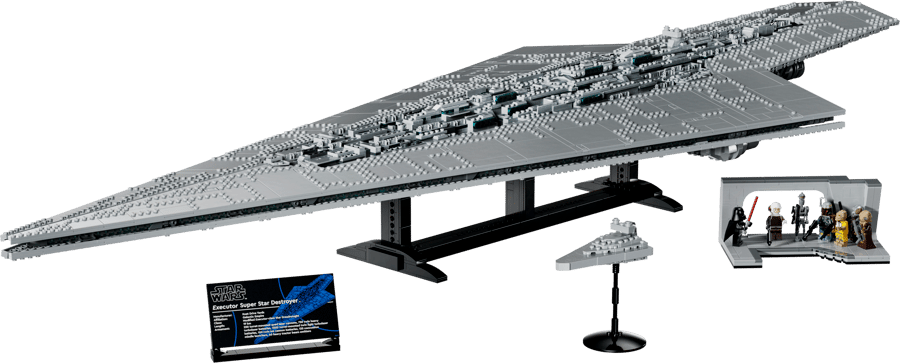
Six thousand pieces or six hundred: we went through LEGO's current 18+ range and picked the sets worth the shelf space, the build time and the money.

Samsung's 2026 range runs from a 165Hz QD-OLED flagship to a Micro RGB LCD and an art panel that hides in plain sight. Here's which one belongs in your room.