Best overall
Dyson V16 Piston Animal
Current flagshipAnti-tangleLarge bin
Dyson's newest and most powerful cordless, and the one the brand is currently pushing hardest. Built for larger homes with pets.
Dyson's cordless range now runs from a lightweight V8 to a flagship with a piston-driven motor. We compared the current line-up on suction, run time, weight and what each one is actually for.

Dyson effectively invented the premium cordless vacuum and has spent a decade iterating on it. The result is a range where six machines all look broadly similar, cost wildly different amounts, and are suited to different homes.
The honest shortcut is this: run time and weight pull against each other, and bigger batteries make heavier machines. The right Dyson is the lightest one that still lasts long enough to finish your floors in a single go.
Affiliate disclosure: Reviews Lounge earns a commission when you buy through links on this page, at no additional cost to you. Commissions never influence our rankings, scores or recommendations. Full disclosure.
Three machines covering the three situations most people are buying for: a large home, a dust-sensitive household, and a small flat.
Dyson's newest and most powerful cordless, and the one the brand is currently pushing hardest. Built for larger homes with pets.

The one to buy if dust is a health issue rather than an annoyance — whole-machine HEPA filtration and Dyson's longest quoted run time at 70 minutes.
The sensible middle of the range, and the model we would buy for a typical home with mixed floors.
Every option side by side, with the one thing that actually distinguishes it.
| Model | Best for | Type | Key strength | Watch out for | |
|---|---|---|---|---|---|
| 1Dyson V16 Piston Animal | Large homes with pets | Cordless flagship | Most capable in the range | Heavy and expensive | View |
| 2Dyson Gen5detect | Allergy households | Cordless, HEPA-sealed | Whole-machine HEPA, 70 min | Heavy; small bin | View |
| 3Dyson V15 Detect | Most homes | Cordless, mid-range | Balance of power and weight | No sealed HEPA | View |
| 4Dyson V15s Detect Submarine | Hard-floor homes | Cordless + wet roller | Vacuums and washes in one pass | Useless on carpet | View |
| 5Dyson V12 Detect Slim | Flats and small homes | Cordless, lightweight | Light with the laser head | Small bin; less power | View |
| 6Dyson V8 | Second machine, small flats | Cordless, entry level | Cheapest way into Dyson | Short run time; basic | View |
← swipe the table to see all columns →
Three things still separate Dyson from the cheaper cordless machines that copy its shape.
Dyson's digital motors spin far faster than conventional ones, which is how a machine this light moves this much air. It is the one part of the specification where the premium is visible in use.
The better models seal the whole machine, so fine dust leaves through the filter rather than the seams. For allergy households this matters more than raw suction, and it is where budget cordless machines usually fail.
Heads for hard floors, carpet, hair, crevices and cars, and a dock that holds them. Converting to a handheld in a second is the feature owners end up using most.
Three questions settle this quickly. Answer them in order.
Hard floors are best served by the laser-equipped heads on the Detect models, the light truly shows dust you would otherwise miss. Carpet rewards a motorised brush bar and raw power, which points up the range. Mixed floors are the normal case, and the machines that ship with both heads are worth the premium because swapping is the thing you will do daily.
Headline run times assume the lowest power setting with a non-motorised tool. Using a powered head on carpet in boost mode will cut it dramatically – often to single-digit minutes. Work out roughly how long your floors take now, and buy a machine whose realistic run time covers it. Running out halfway is the single most common complaint about every brand's cordless.
These are held up, not pushed along, so weight is felt in the wrist within minutes. The flagships are the heaviest machines in the range, and for a small flat or anyone with grip problems a lighter model is the better vacuum in practice even though it is worse on paper.
Batteries are consumables. Capacity fades over years of charge cycles, and a replacement is a significant fraction of the machine's price, worth factoring into the real cost of ownership. Some models take a removable battery, which makes replacement easy and allows a spare; check this before buying if you expect to keep the machine a long time.
Leave it on the dock. Lithium cells are happiest kept topped up rather than run flat, and a cordless vacuum that lives in a cupboard uncharged stops getting used within a month.
Ranked by how well each one delivers on what it promises – not by price.
The flagship exists for people whose floors take a long time; if yours do not, the money is better spent further down the range.
The V16 Piston Animal sits at the top of Dyson's current cordless line-up and is the machine the brand leads with on its own vacuum pages. It is aimed squarely at larger homes, pets and the kind of cleaning session that defeats a smaller battery, and it carries the biggest bin in the range so you are not stopping to empty it halfway round.
It is also the heaviest and most expensive option, and that matters more than the spec sheet suggests. A heavier machine is harder on the wrist at full stretch, and the extra capability is wasted on a flat that takes ten minutes to clean. Treat it as the right answer for a big house with pets, and the wrong answer for almost everyone else.
We may earn a commission from this link, at no extra cost to you.
Filtration is the specification that matters in an allergy household, and this is the model where Dyson seals the whole machine.
The Gen5detect is the allergy machine. Dyson quotes whole-machine HEPA filtration, which is the meaningful claim: the entire body is sealed so fine dust leaves through the filter rather than escaping around it. Plenty of vacuums fit a HEPA filter; far fewer seal the machine around it, and that difference is what decides whether dander ends up back in the room.
Dyson's published figures put run time at up to 70 minutes, weight at 7.72 lb, bin volume at 0.2 gallons and charge time at 4.5 hours. Worth noting on suction: Dyson's own pages quote both 262 air watts and 280 air watts for this machine depending where you look, so we are not quoting an air-watt figure – check the listing for the exact variant you are buying.
We may earn a commission from this link, at no extra cost to you.
The V15 is the one that stops feeling like a compromise without starting to feel like an indulgence.
The V15 Detect is where Dyson's range stops making you choose. It has the laser head that makes hard-floor cleaning truly better, the particle-sensing display that tells you when a patch is actually clean, and enough power and run time for a normal house, without the weight and cost of the flagships.
It is also the model whose extra features you will use daily rather than admire once. If you have a mix of hard floors and rugs, no specific allergy requirement and a house rather than a flat, this is the machine to start with, and the one to compare anything else in the range against.
We may earn a commission from this link, at no extra cost to you.
It is the rare accessory that removes a chore instead of adding a feature; provided you actually have floors to mop.
The Submarine is a V15 with a wet cleaning head in the box. The roller wets, washes and wipes hard floors in the same pass as you vacuum, which for a home with a lot of tile, vinyl or sealed wood removes the mopping step rather than simply duplicating it.
The caveat is obvious but worth stating plainly: on carpet the wet head is useless, so you are paying for something you would never fit. If your home is mostly carpeted, buy the standard V15 and keep your mop. If it is mostly hard floor, this is the most useful machine in the range.
We may earn a commission from this link, at no extra cost to you.
For a small home, the lighter machine is the better vacuum, because it is the one that actually gets picked up.
The V12 Detect Slim keeps the laser hard-floor head that makes the Detect range worth buying, in a noticeably lighter body. For a flat, a small house, or anyone with wrist or grip problems, that trade is overwhelmingly worth making, a lighter vacuum is easier to use above shoulder height and far less tiring over a full clean.
You give up outright power, run time and bin capacity against the models above. In a small home none of those limits bite; in a large one all three will. Be realistic about your floor area and this is an easy recommendation.
We may earn a commission from this link, at no extra cost to you.
Older, simpler and cheaper – and for a small flat or a second machine upstairs, that is the whole point.
The V8 is the entry point and has been in the range a long time. It has none of the laser heads, particle sensors or screens of the Detect models, and that is rather the point: it is light, it is simple, and it costs substantially less than anything else here.
As a main vacuum for a house it is underpowered by modern standards, with a short run time and a small bin. As a second machine for upstairs, a small flat, a caravan or a car, it is still a capable cordless from a brand that supports its machines, and often the sensible purchase.
We may earn a commission from this link, at no extra cost to you.
We assess products on construction and claims we can verify — not on which brand pays most.
We test marketing claims against the actual published construction and specification, rather than taking a product name at face value.
Every product in a guide is judged against its siblings, so the ranking reflects what you actually choose between.
Independent certification, materials and build quality all feed into the score, not just headline features.
A score means nothing without context, so every pick states who it suits, and who should skip it.
We weigh what's included and what isn't, because delivery, fees and accessories change the real price.
Brands cannot buy a position. Affiliate commissions fund the site but never determine the order or the wording.
Any of the models with a motorised, anti-tangle head will handle pet hair, so the question is really about capacity and filtration. If someone in the house is allergic, prioritise the sealed whole-machine HEPA filtration on the Gen5detect, catching the hair matters less than not blowing the dander back out.
If it is purely volume of hair rather than allergies, the mid-range Detect models are enough, and the money is better spent on a second charging dock upstairs.
A battery's stated run time is the best case: lowest power, non-motorised tool, fresh cell. In normal mixed cleaning with a powered head, expect considerably less, and in boost mode far less again.
Over years, capacity fades with charge cycles as with any lithium battery. Replacements are available and on some models the battery is removable, which makes this a repair rather than a reason to replace the machine.
It is more useful than it sounds, but only on hard floors. The light is angled very low across the floor so fine dust casts a shadow, and it reveals dust that is invisible under normal room lighting.
On carpet it does nothing useful, because the dust sits down in the pile rather than on a flat surface. If your home is mostly carpeted, do not pay extra for it.
For most homes, cordless has won on convenience, and convenience is what determines whether a vacuum gets used. For a large, heavily carpeted house, a corded machine still moves more dust per hour and never runs out mid-job.
A reasonable compromise many people land on: a cordless as the everyday machine, kept on a dock, and an older corded vacuum kept for occasional deep cleaning.
For most homes the V15 Detect is the right balance of power, run time and weight. Go up to the Gen5detect for allergies, or down to the V12 if weight in the wrist is your main concern.
Compare current Dyson prices Specifications were taken from Dyson's published information and change between regions · Confirm before buying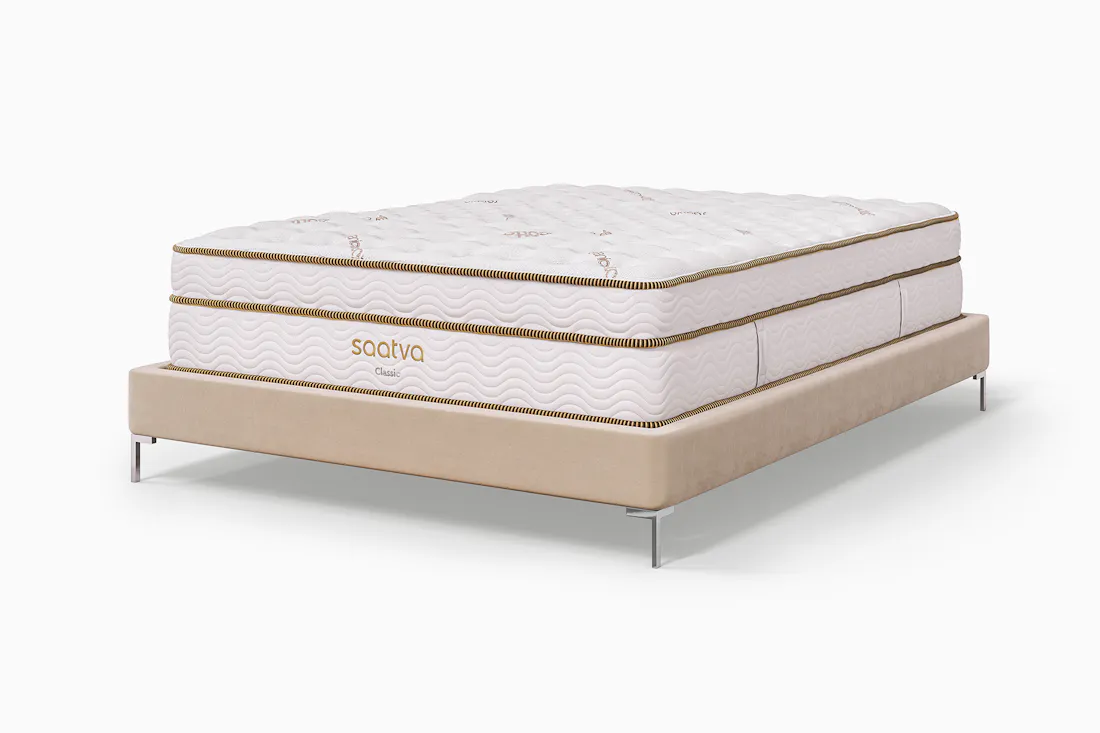
From the best-selling Classic to the adjustable Solaire and the pain-focused Rx – we compared every mattress in Saatva's lineup and matched each one to a sleep style, body type and budget.
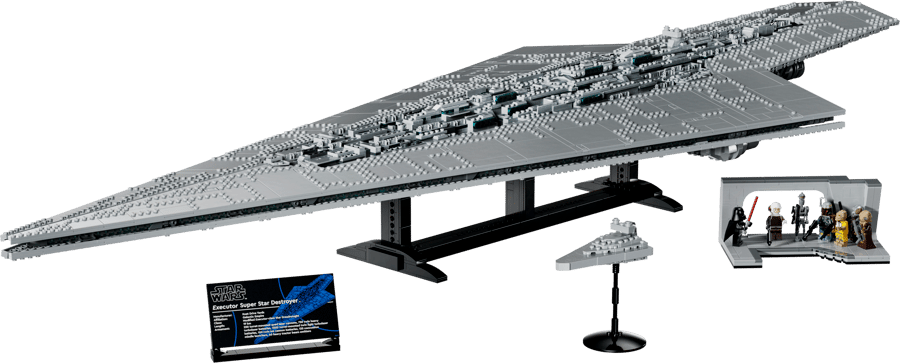
Six thousand pieces or six hundred, we went through LEGO's current 18+ range and picked the sets worth the shelf space, the build time and the money.

Samsung's 2026 range runs from a 165Hz QD-OLED flagship to a Micro RGB LCD and an art panel that hides in plain sight. Here's which one belongs in your room.