Best overall
Dr. Martens 1460
Eight eyeletsAnkle heightThe original
The eight-eyelet boot that defines the brand. Ankle height, yellow welt stitching and a flat air-cushioned sole; the pair to own if you only own one.
The 1460, the 2976 Chelsea, the 1461 shoe and the platforms all wear very differently — we compare six styles on shape, break-in and who each one is actually for.

Dr. Martens sells one recognisable set of ingredients; an air-cushioned sole, yellow welt stitching and a grooved sole edge, in a surprising number of shapes. The style numbers tell you which shape you are getting: the eight-eyelet 1460, the three-eyelet 1461 shoe, the laceless 2976 Chelsea, the taller 1490, and the platform styles built on top of them.
They are also the only boots in this guide that ask something of you before they give anything back. A new pair of leather Docs is stiff, and the first weeks are a genuine negotiation rather than a marketing story. This guide says plainly which styles break in hardest, which ones are easy from the start, and which style number suits which job.

Affiliate disclosure: Reviews Lounge earns a commission when you buy through links on this page, at no additional cost to you. Commissions never influence our rankings, scores or recommendations. Full disclosure.
Three styles cover most people: the original boot, the laceless Chelsea and the low shoe.
The eight-eyelet boot that defines the brand. Ankle height, yellow welt stitching and a flat air-cushioned sole; the pair to own if you only own one.
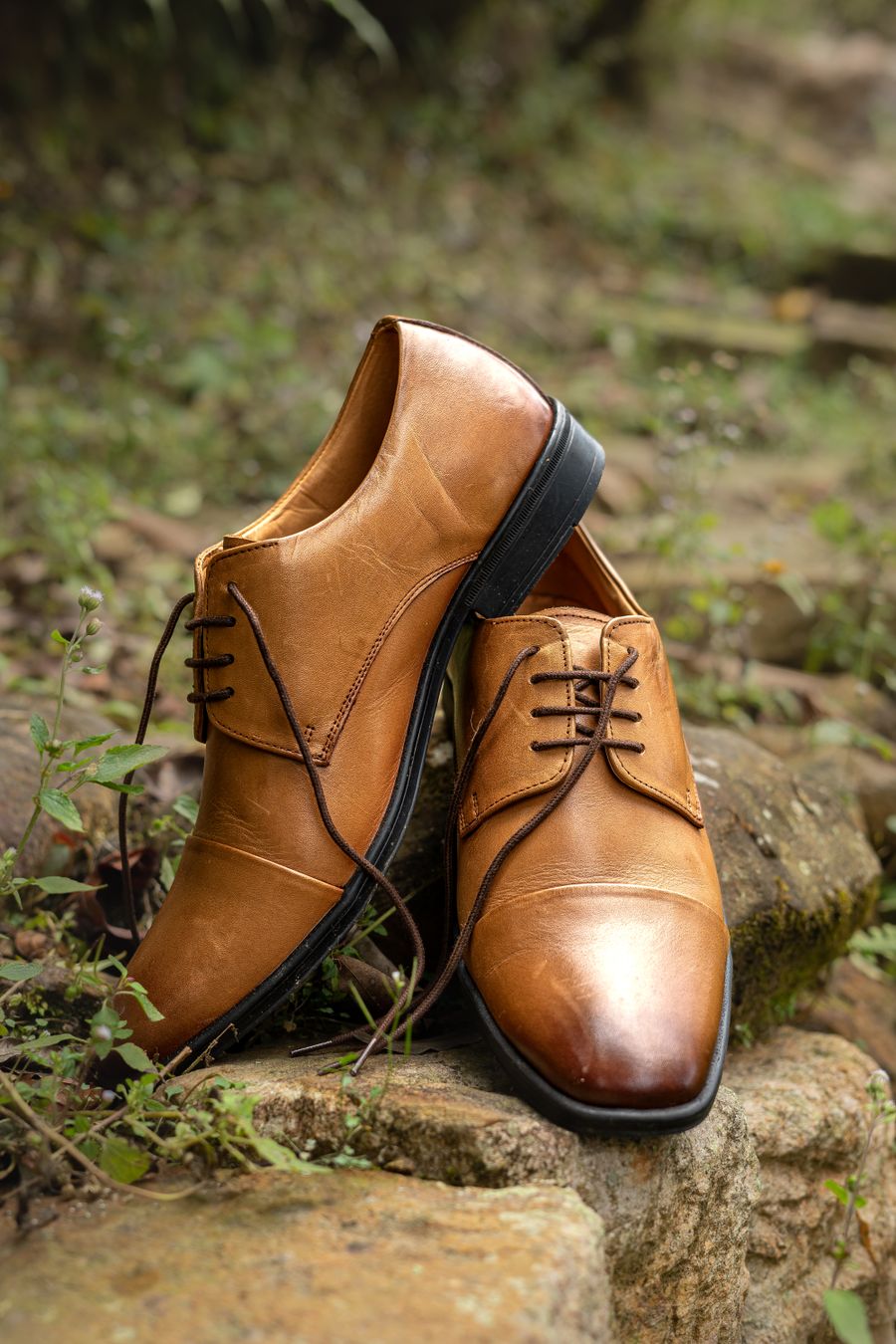
The laceless Chelsea. Elastic side panels, a clean silhouette and no lacing, which makes it the easiest Dr. Martens to dress up and to get on.
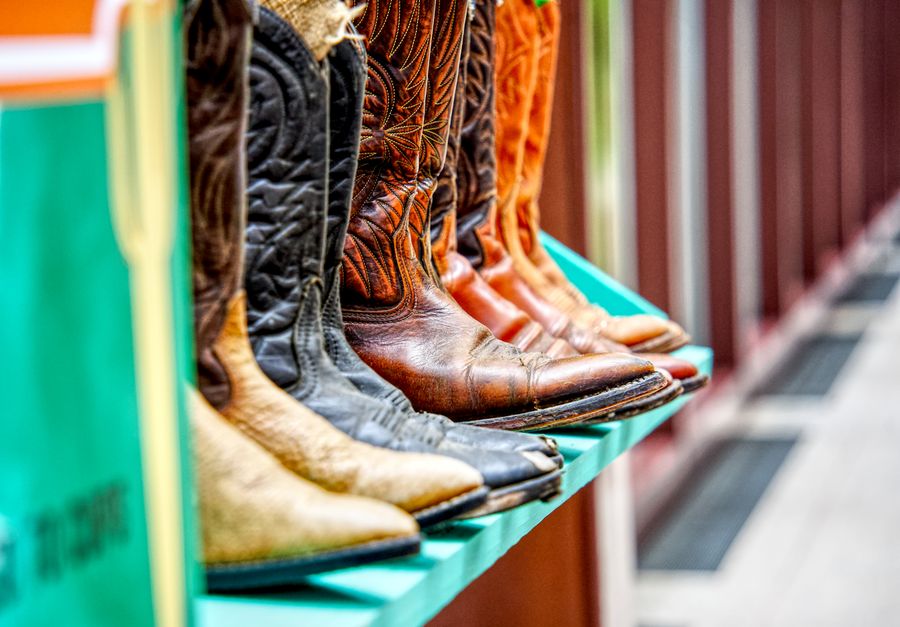
The three-eyelet Oxford shoe. Same sole and stitching as the boots in a low cut that works in warm weather and under tailoring.
Every option side by side, with the one thing that actually distinguishes it.
| Style | Best for | Height | Fastening | Watch out for | |
|---|---|---|---|---|---|
| 1Dr. Martens 1460 | A first and only pair | Ankle, eight eyelets | Lace-up | A hard two-week break-in in classic leather | View |
| 2Dr. Martens 2976 Chelsea | Smarter outfits and quick wear | Ankle | Elastic side gussets | Fit cannot be adjusted; elastic slackens | View |
| 3Dr. Martens 1461 | Warm weather and tailoring | Below the ankle | Three-eyelet lace-up | No ankle support; useless in heavy rain | View |
| 4Dr. Martens 1490 | A strong, structured look | Lower calf, ten eyelets | Lace-up | Longest break-in and slowest to put on | View |
| 5Dr. Martens Jadon | A bolder, taller silhouette | Ankle or taller, platform sole | Lace-up with side zip | Heavy, stiff and harsher to break in | View |
| 6Dr. Martens 101 | Slim and cropped trousers | Just above the ankle | Six-eyelet lace-up | Limited choice of leathers and colours | View |
← swipe the table to see all columns →
Three reasons the same boots keep getting re-bought despite the break-in.
The classic construction stitches the upper to the sole rather than relying on glue alone, which is why well-kept pairs last for years and can often be resoled by a cobbler. That changes the arithmetic: a boot you re-sole twice is cheaper per year than three pairs of cheap boots, provided you look after the leather.
The 1460 and 1461 have looked essentially the same for decades, so neither style dates in the way seasonal footwear does. You are buying a shape people recognise instantly, in a finish that improves as the leather creases and softens around your own foot rather than looking tired.
The same style numbers come in classic smooth leather, softer leathers that break in faster, textured and patent finishes, and vegan versions. That means you can choose how much break-in you are willing to accept without giving up the silhouette you wanted in the first place.
Three things to settle before you order, because returns on worn-in boots are not an option.
Classic smooth leather Docs are stiff when new and the heel collar is the usual pressure point. Expect to wear them in short stretches with thick socks for the first week or two, and accept that the first long day is the one that hurts. Softer leathers break in considerably faster and are worth paying attention to if you cannot work around a slow start. Blister plasters on the heel for the first fortnight are a sensible precaution rather than an admission of defeat.
The three-eyelet 1461 shoe is the easiest to wear with tailoring and in warm weather. The eight-eyelet 1460 is the all-rounder and gives ankle support. The ten-eyelet 1490 and the platform styles are a commitment: more leather to break in, more weight, and a much stronger look. If this is your first pair, the 1460 or the 2976 are the sensible entry points.
Dr. Martens come in whole sizes only in most styles, and the fit is a single standard width. If you are between sizes, most wearers go down rather than up, because leather slackens and a loose boot causes more heel friction than a snug one. Wear the socks you intend to use when you try them, and check you can get your heel in without crushing the collar.
Wear them indoors for a couple of hours at a time before committing to a full day. Thick socks fill the space the leather has not yet given up, and they stop the collar rubbing the Achilles, which is where almost every complaint starts. Two weeks of short wears beats one painful eight-hour day.
Leather conditioner on the heel collar and the flex point across the toes speeds the process. Do not try to force it with heat, which dries the leather out and shortens the life of the boot.
Ranked by how well each one delivers on what it promises: not by price.
Everything else in the range is explained by reference to the 1460, and after the break-in it is still the most useful boot of the lot.
The 1460 is the boot people picture when they hear the brand name: eight eyelets, a rounded toe, yellow stitching along the welt and a grooved air-cushioned sole. It sits at the ankle, which is the most useful height for a boot you intend to wear with jeans, trousers and the occasional dress, and it gives enough support to walk a city in all day once it has given up its stiffness. The construction is the real argument for it: the upper is stitched to the sole rather than only glued, so a well-kept pair can usually be resoled rather than binned.
The thing to be honest about is the first fortnight. In classic smooth leather the boot is unyielding, and the top of the heel collar rubs the Achilles until the leather learns your foot. Thick socks, short wears and a little conditioner get you through it, and plenty of owners never look back. If that prospect puts you off, the same style exists in softer leathers that start far more comfortably, and in vegan versions that need almost no breaking in at all. Buy snug rather than roomy, because a loose Doc rubs more than a tight one.
We may earn a commission from this link, at no extra cost to you.
No laces, a slimmer outline and a shape you can wear with tailoring — the 2976 is the Doc you can get away with at work.
The 2976 takes the same sole and welt as the 1460 and puts them under a Chelsea boot. Elastic panels at the sides replace lacing, so the boot pulls on in a second and the outline is noticeably cleaner, with no tongue or eyelets interrupting the line. That makes it the most adaptable style here: it works with jeans like any other Doc, but it also sits under tailored trousers and smarter skirts without looking like a statement, which almost nothing else in the range manages.
It is also the most forgiving to break in, because there is less structure around the ankle and the elastic gives immediately. That does not mean it is instantly soft, the leather still needs time and the heel can rub, but the first week is much less eventful than in a lace-up. The compromise is fit: without laces you cannot adjust the tension, so if your foot is narrow the boot can feel slightly loose at the instep, and if your instep is high, getting in takes a firm pull. The elastic also slackens over years, which is the part of a Chelsea that ages first.
We may earn a commission from this link, at no extra cost to you.
The 1461 is the Doc for people who do not want a boot, and it is the easiest style in the range to wear in summer.
The 1461 is the low-cut sibling of the 1460: three eyelets, the same yellow welt stitching and the same air-cushioned sole, in a shoe that stops below the ankle. That makes it the sensible choice for warmer months and for anyone who finds boots too heavy or too committed a look. It reads as a slightly tough brogue-adjacent shoe rather than a statement, so it works with cropped trousers, tailoring, jeans and skirts, and it is the style most likely to be allowed by a smart-casual dress code.
Because there is less leather around the ankle, the break-in is shorter than the boots – but it is not absent, and the collar at the back of the heel is still the point that rubs. The real trade-off is support and weather: a low shoe gives you none of the ankle stability of a 1460 and lets rain straight in over the top, so this is not a winter workhorse. Consider it the third pair rather than the first, unless you specifically want a shoe and already know you do not need a boot.
We may earn a commission from this link, at no extra cost to you.
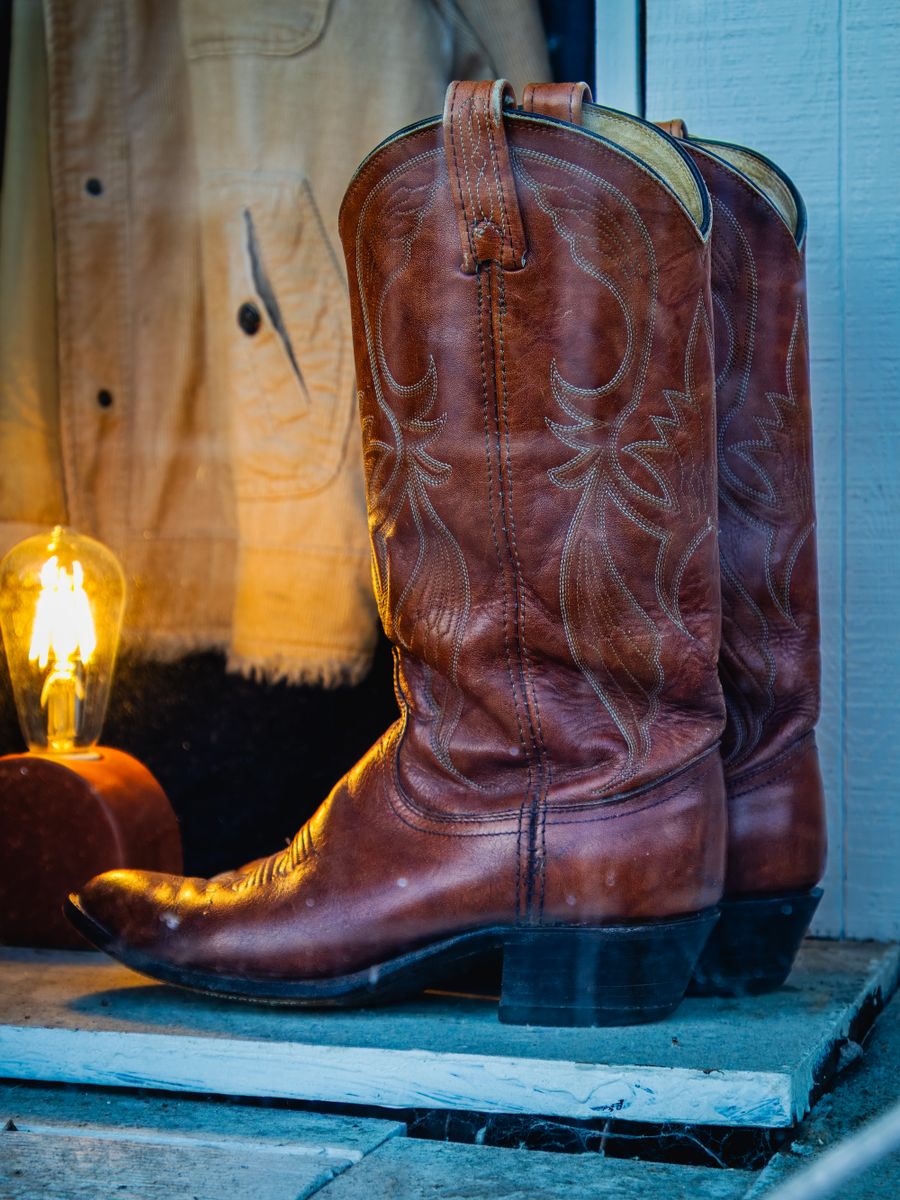
The 1490 is the 1460 with conviction – two more eyelets, a taller shaft, and a look nobody mistakes for anything else.
The 1490 is the ten-eyelet boot, which puts the top of the shaft above the ankle and well up the lower calf. The extra height does two things: it supports the ankle more firmly than the 1460, and it makes the boot a deliberate part of an outfit rather than a neutral base. Worn with the lacing pulled tight it reads structured and sharp; laced loose with the top eyelets open it slouches and softens. With jeans tucked in or a skirt it is the style that defines the look most clearly.
That extra leather has a cost. There is simply more of it to break in, the shaft presses on the calf and shin until it moulds, and lacing and unlacing is a daily chore rather than a quick pull. It is also the hottest style here, which matters more in a British summer than people expect. If you already own and love a 1460 and want more, this is the obvious next step; as a first pair it is a lot of boot to ask someone to break in.
We may earn a commission from this link, at no extra cost to you.
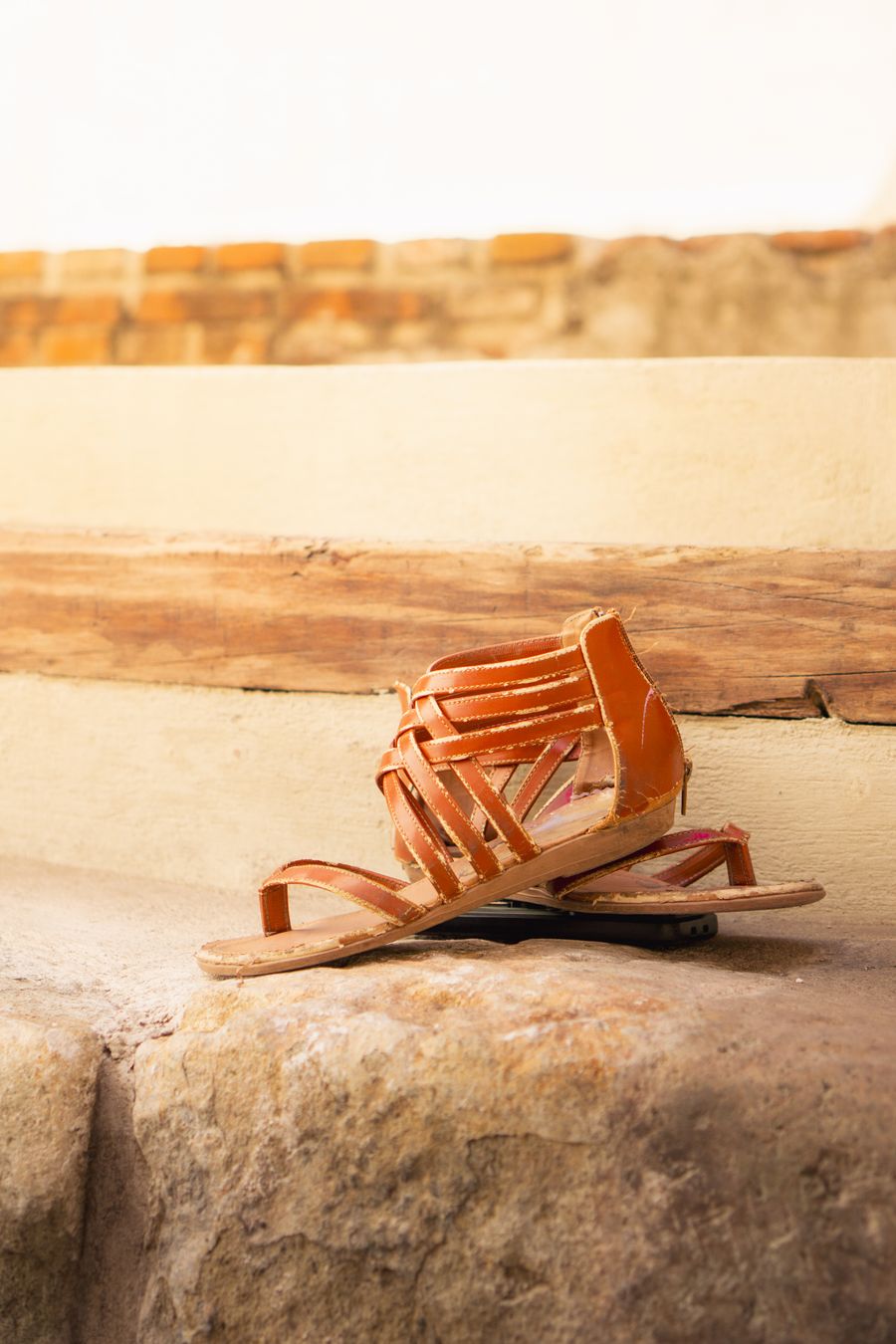
The Jadon adds height and attitude to a familiar shape, and the side zip is the detail that makes it bearable day to day.
The Jadon takes the classic lace-up outline and lifts it onto a thick platform sole, and the taller Jadon Hi version is built on the ten-eyelet silhouette. The effect is immediate: more height, a heavier stance and a much more assertive look than a standard 1460. The practical masterstroke is the side zip, which means you can lace the boot once to the tension you like and then get in and out without touching the laces again: a real advantage on a style with this many eyelets.
It is the least neutral boot in this guide and the least suitable for long days on your feet. The platform adds weight and stiffens the way the boot flexes, so walking distances takes more effort than in a 1460 and the break-in is harsher because the sole does not give at all. Stairs and uneven pavements need attention until you adapt to the height. Buy it because you want the look and the extra inches, not because you want the most comfortable Doc, that is not what it is for.
We may earn a commission from this link, at no extra cost to you.
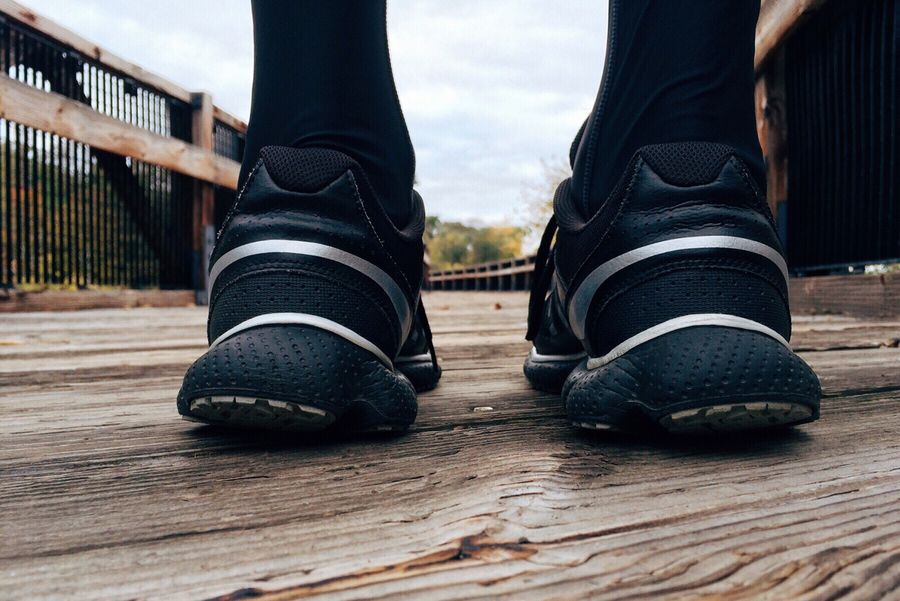
The 101 is the compromise that works, boot coverage, a shorter shaft and far less leather to fight with.
The 101 sits between the 1461 shoe and the 1460 boot: six eyelets, a shaft that stops just above the ankle bone, and the same sole and welt stitching as the rest of the range. That lower cut gives you a neater, less bulky outline, which is useful if the 1460 swamps your leg or if you wear a lot of cropped and slim trousers where a taller shaft bunches the hem. You still get ankle coverage and the grip of the classic sole, so it is a far more practical year-round boot than the 1461.
Being less well known is both its charm and its drawback: colour and leather choices are usually narrower than for the 1460, so you may not find the exact finish you want. Support sits between the shoe and the classic boot rather than matching either, and the lower collar still rubs during break-in because that is a property of the leather, not the height. Worth seeking out if you have tried a 1460 and found it too much boot for your proportions.
We may earn a commission from this link, at no extra cost to you.
We assess products on construction and claims we can verify, not on which brand pays most.
We test marketing claims against the actual published construction and specification, rather than taking a product name at face value.
Every product in a guide is judged against its siblings, so the ranking reflects what you actually choose between.
Independent certification, materials and build quality all feed into the score, not just headline features.
A score means nothing without context, so every pick states who it suits – and who should skip it.
We weigh what's included and what isn't, because delivery, fees and accessories change the real price.
Brands cannot buy a position. Affiliate commissions fund the site but never determine the order or the wording.
For classic smooth leather, expect two to four weeks of regular wear before the boot stops fighting you, with the heel collar the last part to give. Softer leathers can feel comfortable within days.
The break-in is real and worth planning for. If you need the boots for a specific occasion, buy them several weeks beforehand rather than the week of.
Most styles are sold in whole sizes, so people between sizes have to choose. The common advice is to size down, because leather relaxes with wear and a slightly loose boot slides at the heel, which causes blisters even after break-in.
If you wear thick socks all winter, or have a high instep, trying both sizes in person is worth the trip.
The classic leather styles are water-resistant rather than waterproof. They cope with rain and wet pavements easily enough, but prolonged downpours will eventually find the stitching.
Dr. Martens does sell specifically waterproof and rain-focused styles. If keeping your feet dry matters more than the classic silhouette, look at those instead of trying to proof a 1460.
The eyelet count and therefore the height. The 1460 has eight eyelets and sits at the ankle; the 1490 has ten and comes further up the calf.
The taller boot is a stronger look and takes longer to break in simply because there is more leather around the ankle. The 1460 is the easier first pair.
They look very close to the leather originals and they break in faster because the synthetic upper is softer from the start. For many wearers that is a straightforward advantage.
The trade-off is character: synthetic uppers crease rather than patinate, and they do not soften and mould over years in the way good leather does. Choose on which of those matters more to you.
Choose the height and fastening that suits how you dress, buy the softer leather if a slow start is not an option, and give any classic pair a fortnight of short wears. Done properly, these are boots you will still be wearing in several winters' time.
Check price Styles, leathers and availability vary by region – confirm current details before ordering.
From the best-selling Classic to the adjustable Solaire and the pain-focused Rx – we compared every mattress in Saatva's lineup and matched each one to a sleep style, body type and budget.
Six thousand pieces or six hundred – we went through LEGO's current 18+ range and picked the sets worth the shelf space, the build time and the money.

Samsung's 2026 range runs from a 165Hz QD-OLED flagship to a Micro RGB LCD and an art panel that hides in plain sight. Here's which one belongs in your room.